
Why Saddle Comfort Starts at Your Feet (Not Your Saddle)
Most riders assume saddle discomfort is a saddle problem. Wrong saddle shape. Wrong width. Wrong padding. Sometimes that’s true, but very often the real cause is unstable feet. When your feet aren’t supported properly, your whole position becomes unstable. That instability doesn’t stop at the pedal; it travels up through the knee, hip, pelvis and straight onto the saddle.
2/10/20262 min read
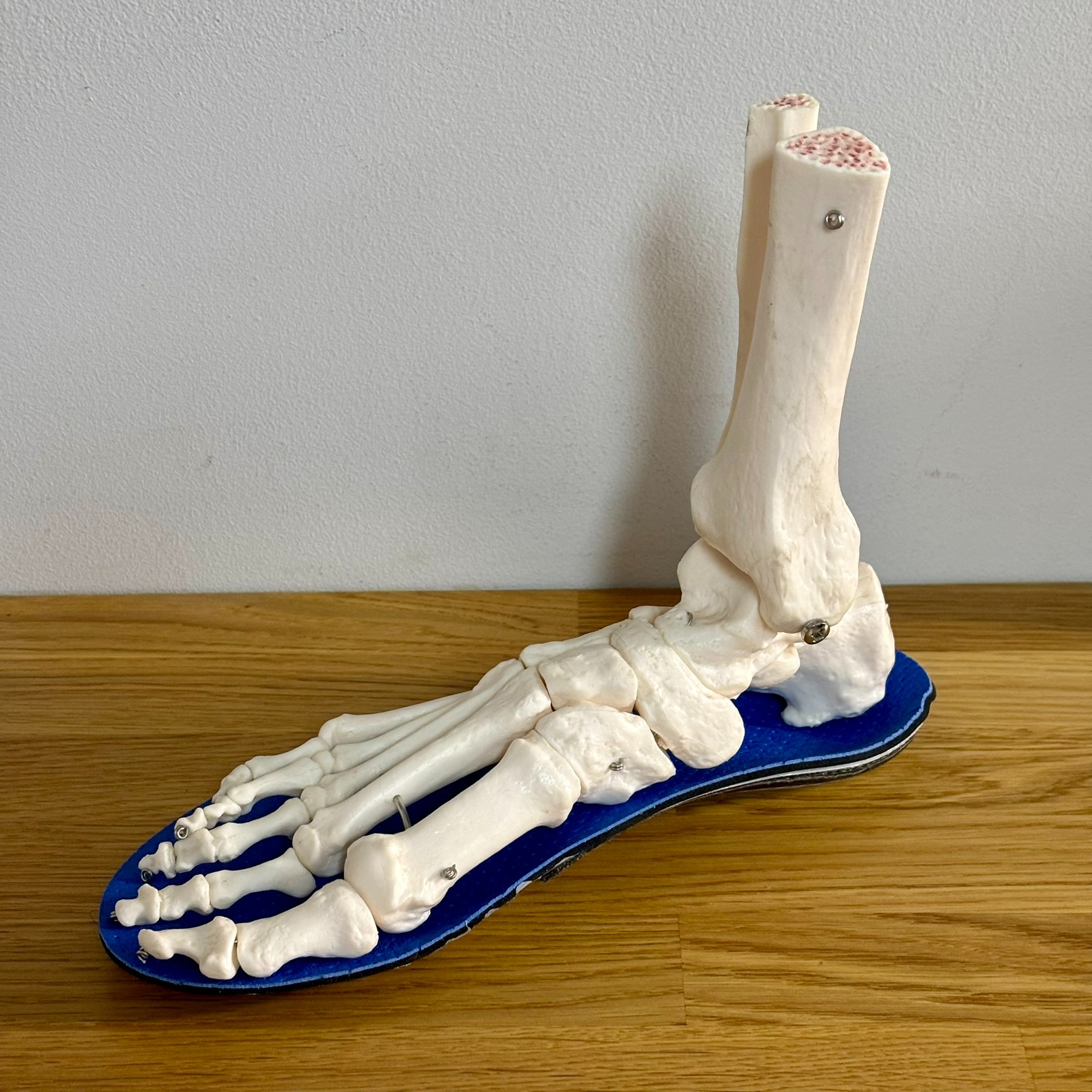
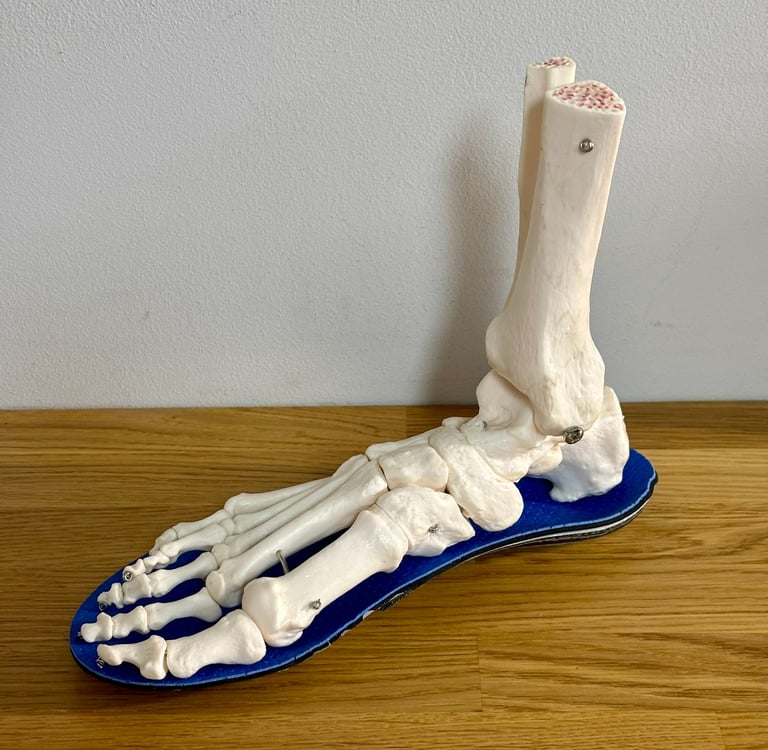
Foot stability = pelvic stability
Your feet are one of only three contact points with the bike. If they move excessively or collapse under load, your body has to compensate somewhere else.
Common signs of poor foot stability:
Excessive heel drop or foot rotation
Knees tracking inconsistently
Rocking or shuffling on the saddle
Pressure building on one side of the saddle
This movement creates constant micro-adjustments at the pelvis. Over time, that leads to:
Saddle pressure and numbness
Hot spots that move around, not a single sore area
A feeling that you “just can’t sit still”
Why changing the saddle often doesn’t fix it
Swapping saddles can mask the problem—but rarely solves it.
If the pelvis is unstable, the rider simply overloads a different part of the new saddle. That’s why some cyclists can go through three or four saddles and still feel uncomfortable on all of them.
The issue isn’t the saddle. It’s the foundation underneath it.
What stable feet actually do
When the foot is properly supported:
The ankle moves less under load
The knee tracks more consistently
The hips rock less and more symmetrically through the pedal stroke
Pressure on the saddle becomes more even and predictable
The result isn’t just comfort—it’s calmness on the bike. Riders often describe it as feeling “more connected to the pedal” or “more balanced,” even before we talk about power or efficiency.
Saddle comfort is a system, not a component
True saddle comfort comes from:
Correct saddle shape and position
Stable, well-supported feet
A pelvis that can stay quiet while the legs do the work
That’s why saddle issues and foot issues should always be assessed together—not in isolation.
If you’re struggling with saddle discomfort that doesn’t seem to respond to saddle changes alone, it’s worth looking further down the chain.
Sometimes the fix isn’t a new saddle at all—it’s better stability at the pedal.
Other factors to consider
Even with good foot support, you can greatly reduce stability with:
Worn-out cleats
Worn pedals where they interface the shoe / pedal, especially SPD systems
Worn-out pedal bearings
I've seen all the above in bike fits, sometimes in the same client.
Always make sure you are not introducing instability with worn-out pedals, shoe soles and pedals.
You can find out more about the range of inSync Cycling bike fitting services by clicking here.
Connect
Follow us for tips and advice.
Contact
russell@insynccycling.co.uk
07490 958136
© 2025-26. All rights reserved.
Get in touch for expert support.