Why Most Cycling Shoes Don’t Fit
Cyclists spend thousands on bikes, components and upgrades—yet many ride in shoes that don’t actually fit their feet. If you experience foot pain, numbness, hot spots, or persistent knee issues, there is a strong chance the problem starts with your cycling shoes, not your bike.
1/5/20263 min read
Where Insoles Fit Into the Picture
Even the correct shoe shape still needs proper internal support.
Custom insoles:
Stabilise the foot inside the shoe
Optimise pressure distribution
Support the foot to provide consistent knee tracking
This is why shoe fitting and insoles work best together—but shoe fit should always comes first.
Why Cycling Shoes Cause So Many Problems
Cycling shoes don’t just cover your feet. They control how efficiently force enters the bike.
When shoes don’t match your foot shape:
Pressure concentrates in small areas → hot spots and numbness
The foot collapses or twists → knee tracking issues
You lose stability → reduced power and earlier fatigue
Foot moves or rubs within the shoe → blistering and poor power transfer
These issues often persist even after:
A bike fit
Saddle changes
Cleat adjustments
Because the foundation is still wrong.
If the shoe doesn’t fit, the bike never will.
Shoe Size is not Shoe Fit
Most cycling shoes are chosen the same way everyday shoes are:
Pick a size
Try them on
Hope they’re “close enough”
The problem is that feet are three-dimensional.
True shoe fit depends on:
Width
Forefoot shape
Instep height
Heel volume
Arch profile
Left–right asymmetry (almost everyone has it)
Shoe size only accounts for length.
In cycling where your feet are fixed to the pedals, those mismatches are amplified with every pedal stroke.
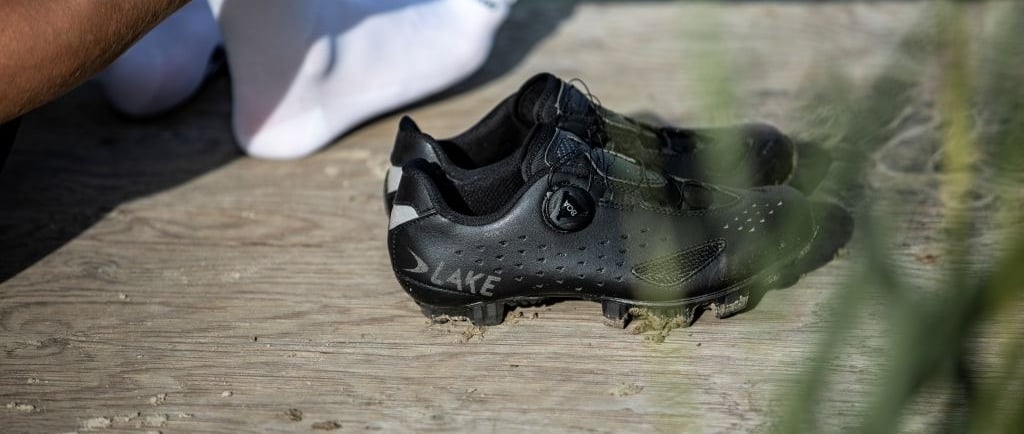
Why Lake Shoes Are Different
Lake is one of the few brands that:
Offers multiple widths as standard
Builds shoes around different foot shapes (4 different lasts for different riders)
Prioritises fit consistency across models
This makes them uniquely suitable for riders who have:
Struggled with “normal” cycling shoes
Wider or higher-volume feet
Asymmetry between left and right feet
But even Lake shoes only work properly when they are professionally fitted.
Common Signs Your Cycling Shoes Don’t Fit
Many riders normalise these symptoms without realising they are shoe-related:
Numb toes or forefoot tingling
Burning sensation under the ball of the foot
One foot more uncomfortable than the other
Knee pain that doesn’t fully resolve
Constant cleat “tweaking” with no clear improvement or can't position them far enough back
These are not training problems.
They are interface problems.
Final Thought: Start at the Foundation
Many cycling discomfort issues are blamed on:
The bike
The saddle
Flexibility
Strength
In reality, they often start at the foot–shoe interface.
If your shoes don’t fit your feet properly, everything above them has to compensate.
Why “Trying Lots of Shoes” Rarely Works
Most riders who struggle with shoe comfort may have already:
Tried different brands
Gone up or down a size
Loosened straps or BOAs
Assumed their feet are “awkward”
The issue isn’t your feet. The issue is that most shoe brands are built around a narrow range of foot shapes, and riders are expected to adapt.
This is where proper shoe fitting matters.
What a Proper Cycling Shoe Fit Actually Involves
A professional cycling shoe fit is not about selling you footwear.
It is about matching shoe shape to foot shape.
A structured shoe fitting assesses:
Foot length and width both loaded and unloaded
Forefoot shape and toe splay
Instep height and volume
Arch behaviour under load
Left–right differences
Foot anomalies such as bunions
Only once these are understood can the correct shoe model be identified.
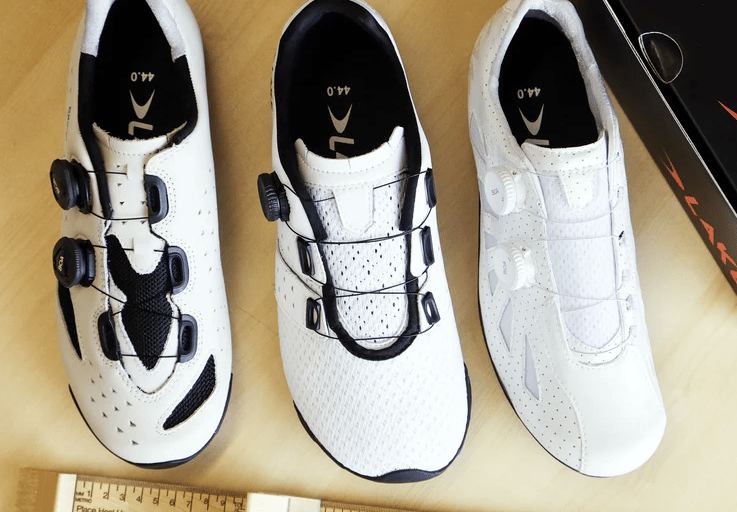
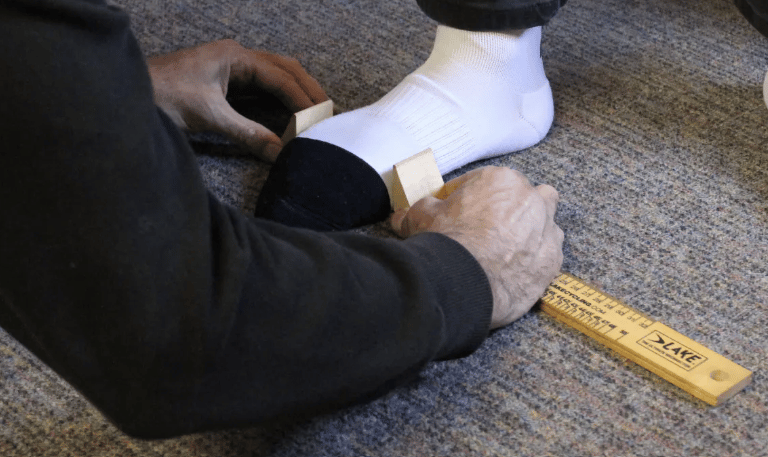
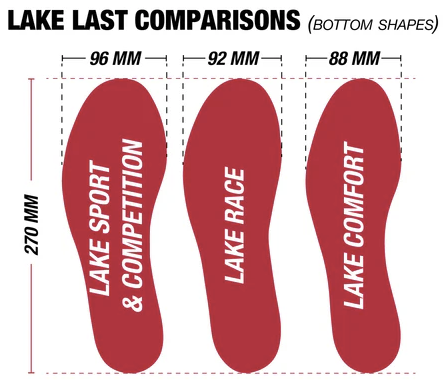
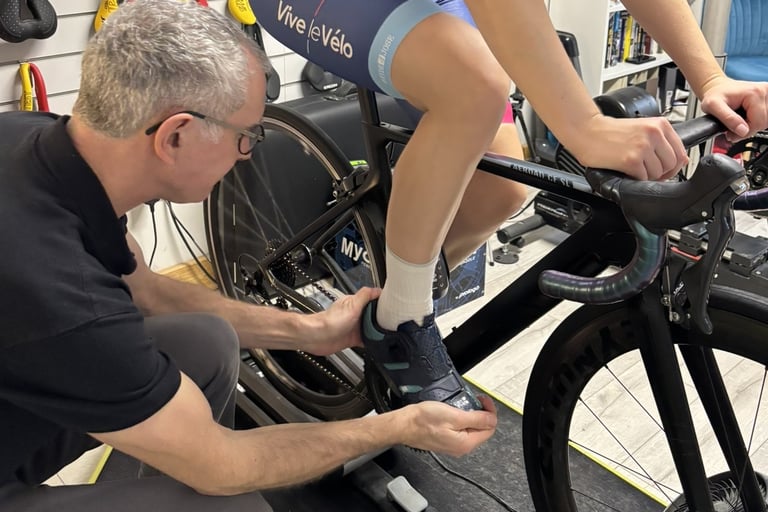
If you struggle with foot discomfort, numbness, or unresolved knee pain, a professional shoe fitting is the correct place to start.
Book a Lake shoe fitting and build your position on a stable foundation.
Connect
Follow us for tips and advice.
Contact
russell@insynccycling.co.uk
07490 958136
© 2025-26. All rights reserved.
Get in touch for expert support.