Signs You’re Overdue a Bike Fit
How cycling discomfort, pain, and lost performance point to your setup.
R Gordon
1/5/20263 min read
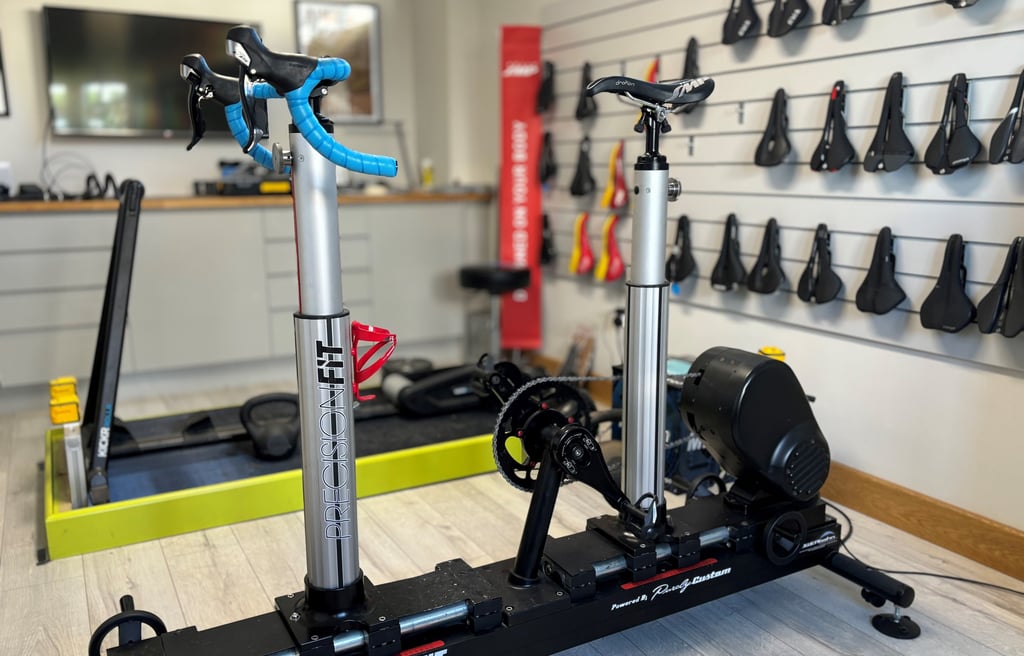
Many cyclists assume discomfort is simply part of riding. In reality, most cycling pain and inefficiency comes from a bike that (no longer) fits properly.
Your fitness, flexibility, equipment, and riding volume all change over time. If your bike setup doesn’t change with you, problems gradually appear.
Below are the most common signs you are overdue a professional bike fit.
1. Riding More but Feeling Less Comfortable
A classic warning sign is when your fitness improves but your comfort declines.
As training load increases, small positional issues become much more obvious. A saddle height that once felt acceptable can start to overload the knees or hips. Reach that felt fine on short rides becomes uncomfortable on longer ones.
This is rarely a conditioning issue. It is usually a cycling position that no longer matches your body or workload.


2. Ongoing Cycling Pain That Never Fully Resolves
Persistent or recurring discomfort is one of the most common reasons riders book a bike fit.
Common examples include:
Knee pain while cycling (often one-sided)
Numb hands or tingling fingers
Numb feet or hot spots
Saddle discomfort that returns despite saddle changes
These problems almost always relate to alignment and load distribution, not weakness or poor flexibility alone.
If a problem keeps returning, it means the root cause hasn’t been addressed.
3. You’ve Changed Equipment Without Updating Your Fit
Many riders unintentionally compromise their fit by making small changes, such as:
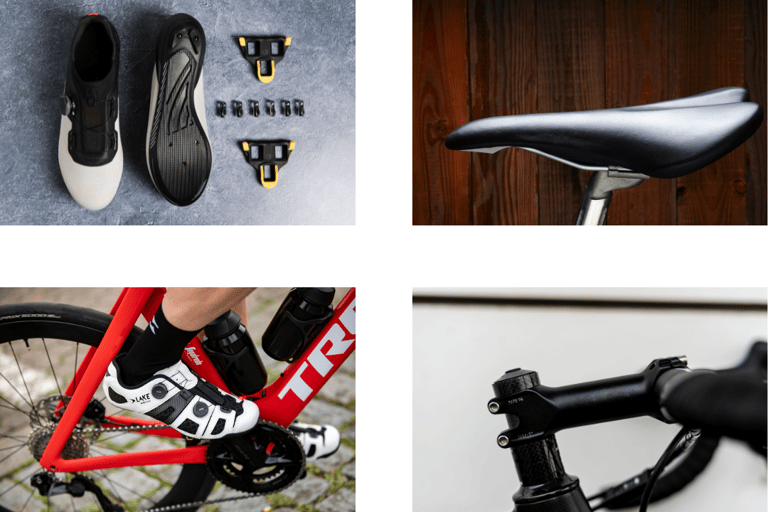
New cycling shoes or cleats
A different saddle
New handlebars or stem
Shorter or longer crank length
A new bike with “similar” geometry
Each of these changes alters joint angles and loading patterns.
4. Feeling Unstable or Inefficient on the Bike
Efficiency in cycling comes from stability.
Warning signs include:
Excessive movement on the saddle
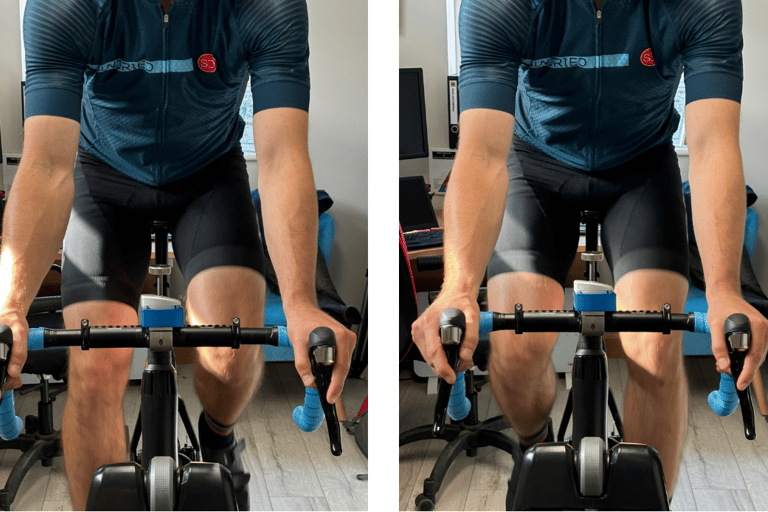
Knees drifting in or out during pedalling
Difficulty holding an aero or drops position
Feeling like you are “reaching” for the pedals
When stability is lacking, the body compensates. That compensation reduces power output and increases fatigue.
5. Your Last Bike Fit Was Years Ago
A bike fit is not permanent.
Over time:
Flexibility changes
Strength and asymmetries evolve
Injuries occur (even off the bike)
Riding goals shift
A position that worked several years ago may now be limiting comfort or performance. In many cases, a bike fit review delivers rapid improvements with minimal changes.
Why These Problems Do Not Fix Themselves
The human body is highly adaptable. The body will tolerate poor alignment for a long time—but the compensations it makes can be detrimental in the long term.
If your cycling position:
Restricts natural movement
Creates joint misalignment
Reduces stability
…your body will cope but not correct, quite often over-compensating.
Only a structured bike fitting process can identify where those compensations occur and correct them accurately.
What a Professional Bike Fit Actually Addresses
A proper bike fit goes beyond basic measurements. It assesses:
How your body moves on the bike
Joint alignment under load
Stability at the foot–pedal interface
Flexibility, asymmetry, and injury history
The result is a position that improves comfort, efficiency, and long-term durability.
When to Act
If any of the following apply, you are likely overdue a bike fit:
Discomfort is increasing
Pain keeps returning
You have changed equipment
Riding feels harder than it should
If this sounds familiar, a professional bike fit will identify the cause and correct it at source.
Connect
Follow us for tips and advice.
Contact
russell@insynccycling.co.uk
07490 958136
© 2025-26. All rights reserved.
Get in touch for expert support.